roofingHomeImage

Drylining

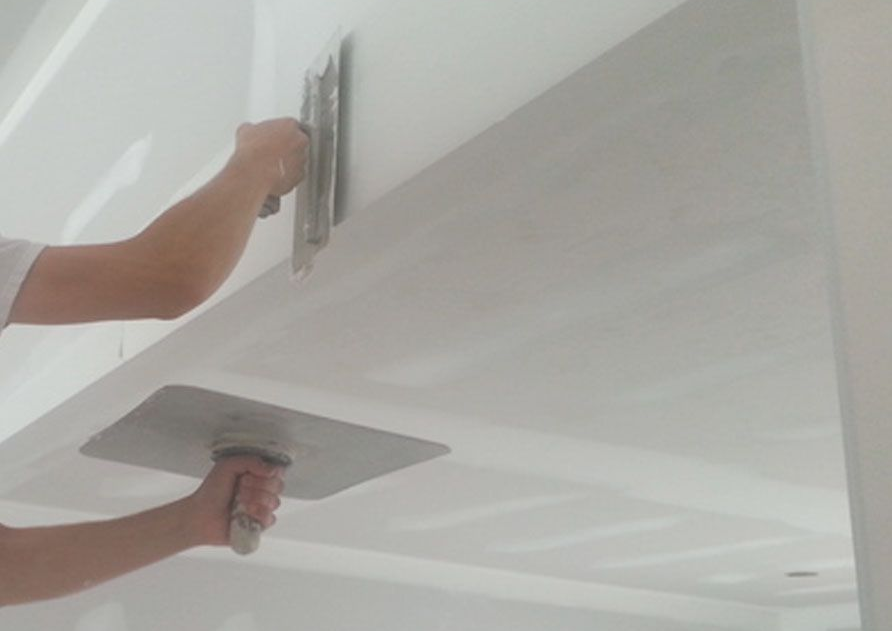
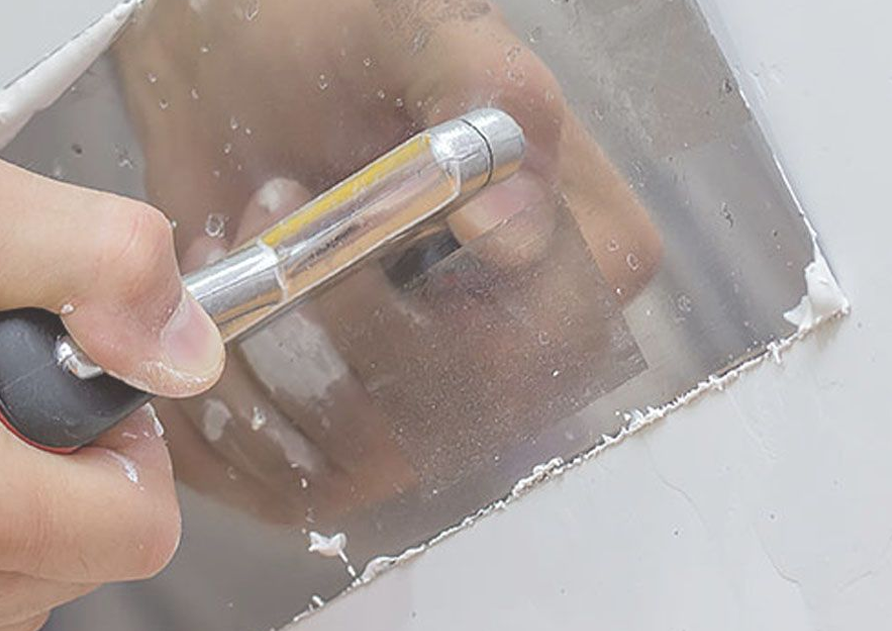
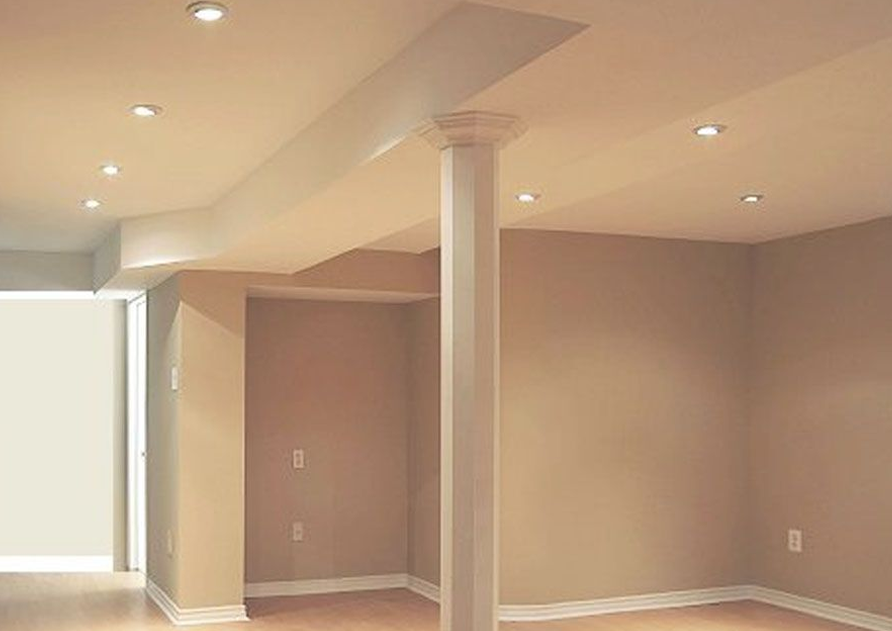
Dry lining is a system for cladding the internal faces of buildings, such as walls and ceilings. Plasterboard is attached to the internal faces, creating a smooth surface that finishes such as paint can be applied to directly, a 'wet' plaster finish is not required

Get a quote
constructionHomeImage

Skimming

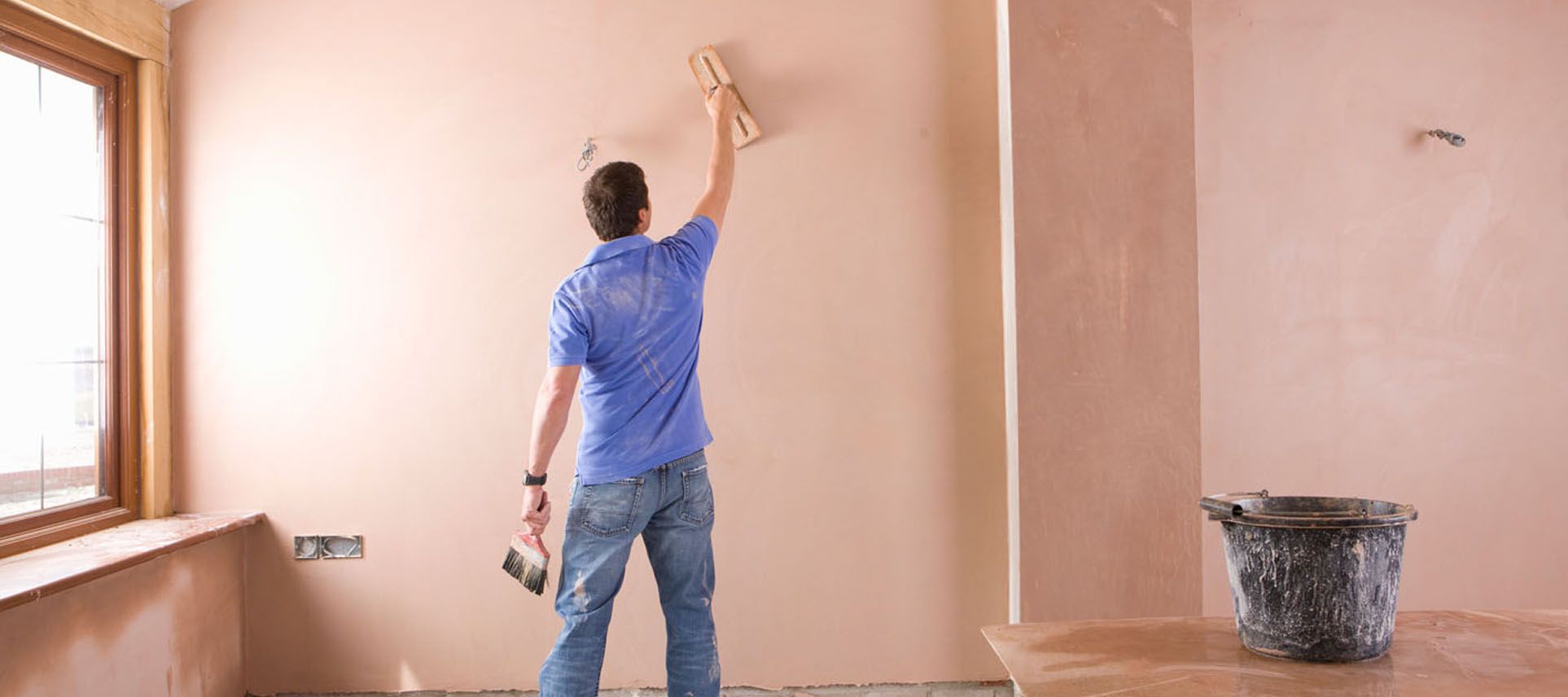
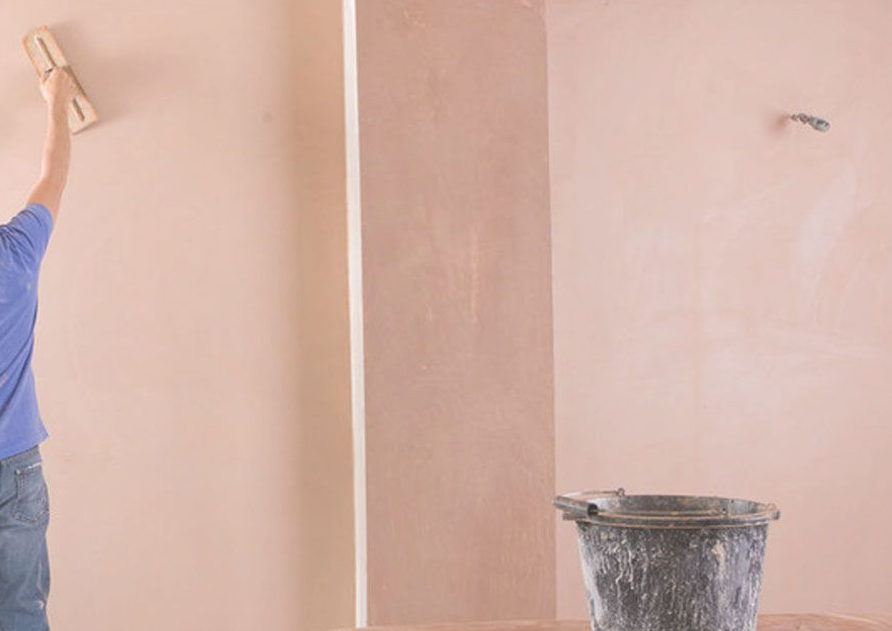
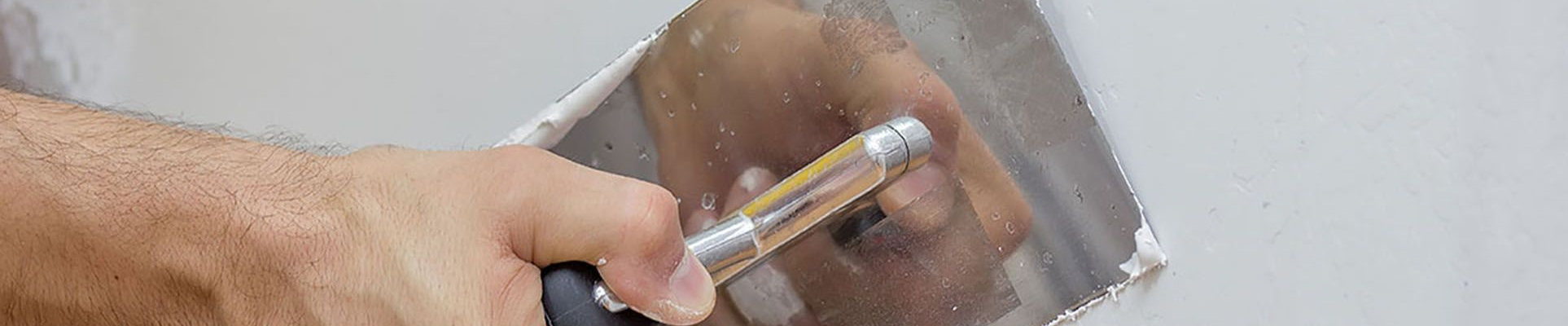
Skimming means to use a finishing plaster either on new plasterboard or over existing walls or ceilings to create a smooth finish for painting or wall papering.

Get a quote
roofingHomeImage

Rendering

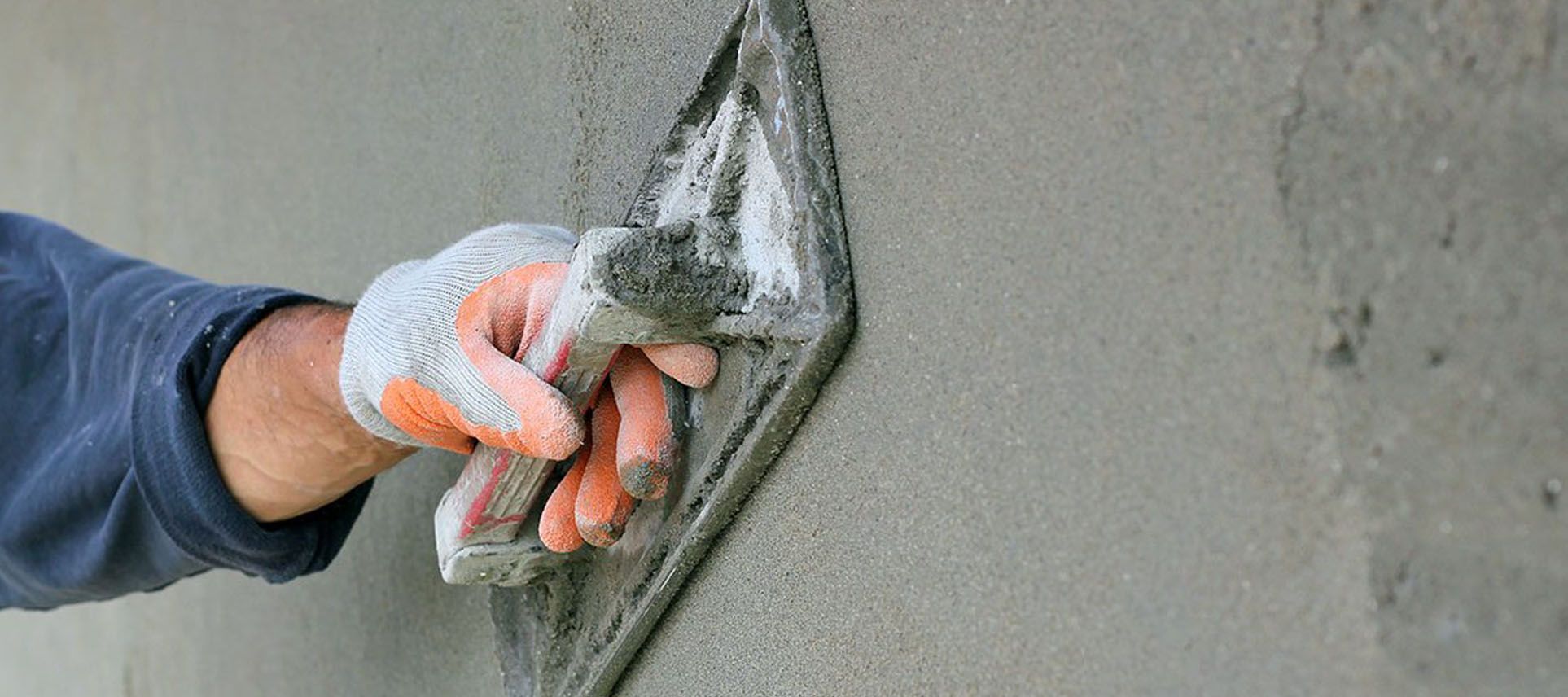
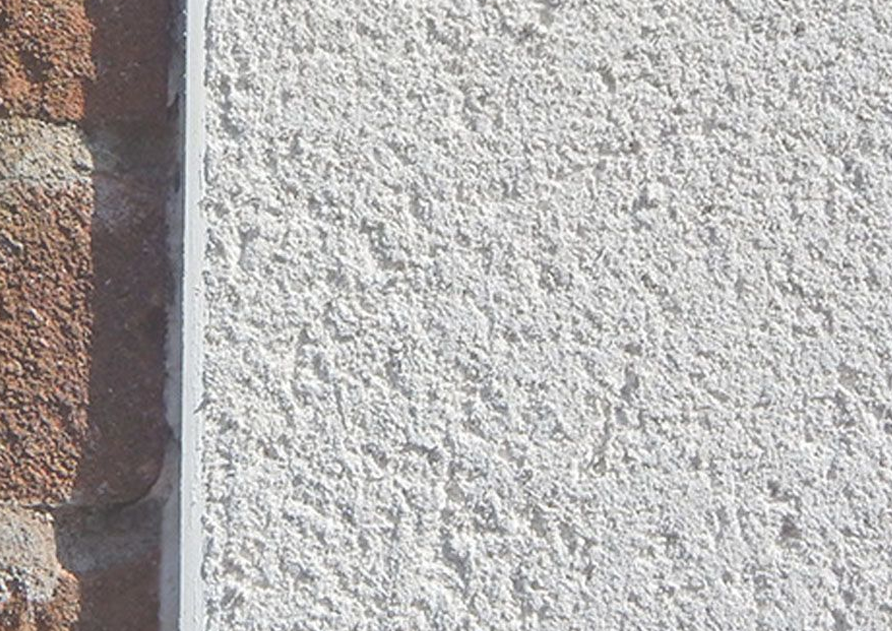
Skimming means to use a finishing plaster either on new plasterboard or over existing walls or ceilings to create a smooth finish for painting or wall papering.

Get a quote
roofingHomeImage

Drop Ceilings

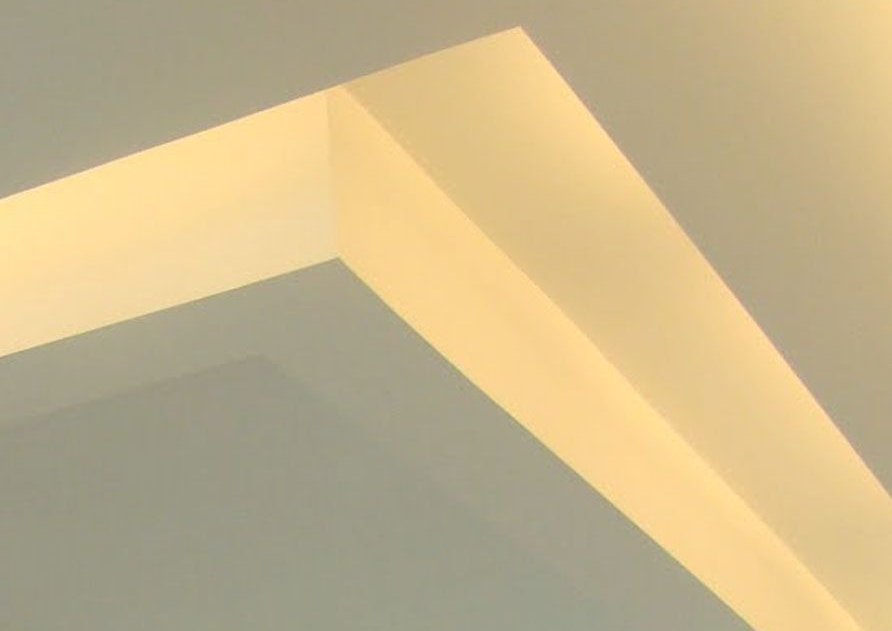
A secondary ceiling, hung below the main (structural) ceiling. It may also be referred to as a dropped ceiling, T-bar ceiling or suspended ceiling among other names and is used in modern construction for both residential and commercial applications.

Get a quote
re skim

Re-Skim

One of the most common jobs for plasterers is re-skimming. This is repairing or re-skimming over existing plaster to correct blemishes in plaster.

Get a quote
roofingHomeImage

Bonding

Bonding is an undercoat plaster. This is the first coat, or undercoat to be applied to a new (or to be patched) wall. When it is trowelled off, it is scratched with a nail to give a “key” for the top coat, or finish plaster to adhere to

Get a quote
roofingHomeImage

Conversions

All aspects of plastering for conversions carried out, including internal/external plastering, walls & ceilings, skimming/re-skimming, dry lining, stud work and more.

Get a quote
contactHomeImage min

Damp Proofing

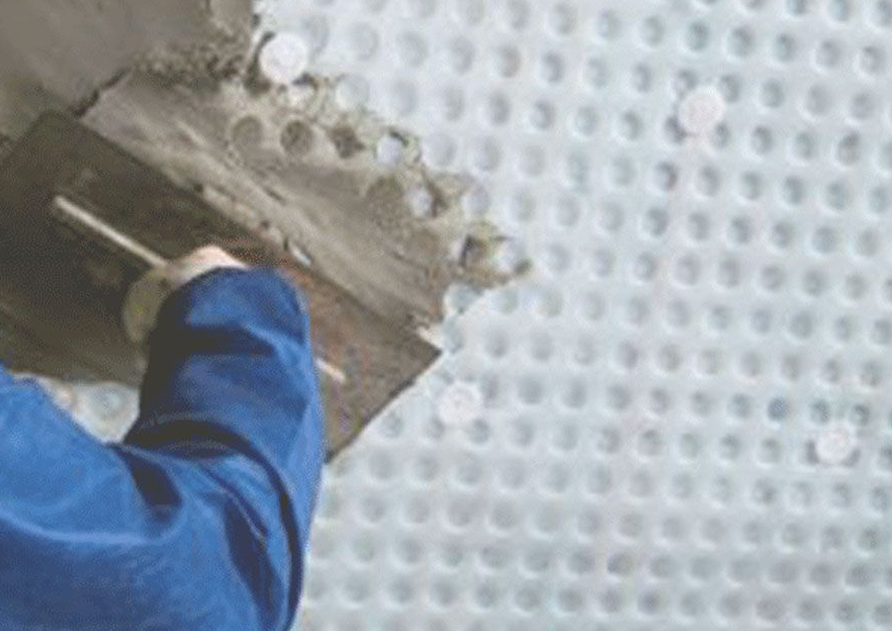
Damp proofing is the generic term typically used to describe the installation of preventative measures to stop damp problems occurring within our home.

Get a quote